

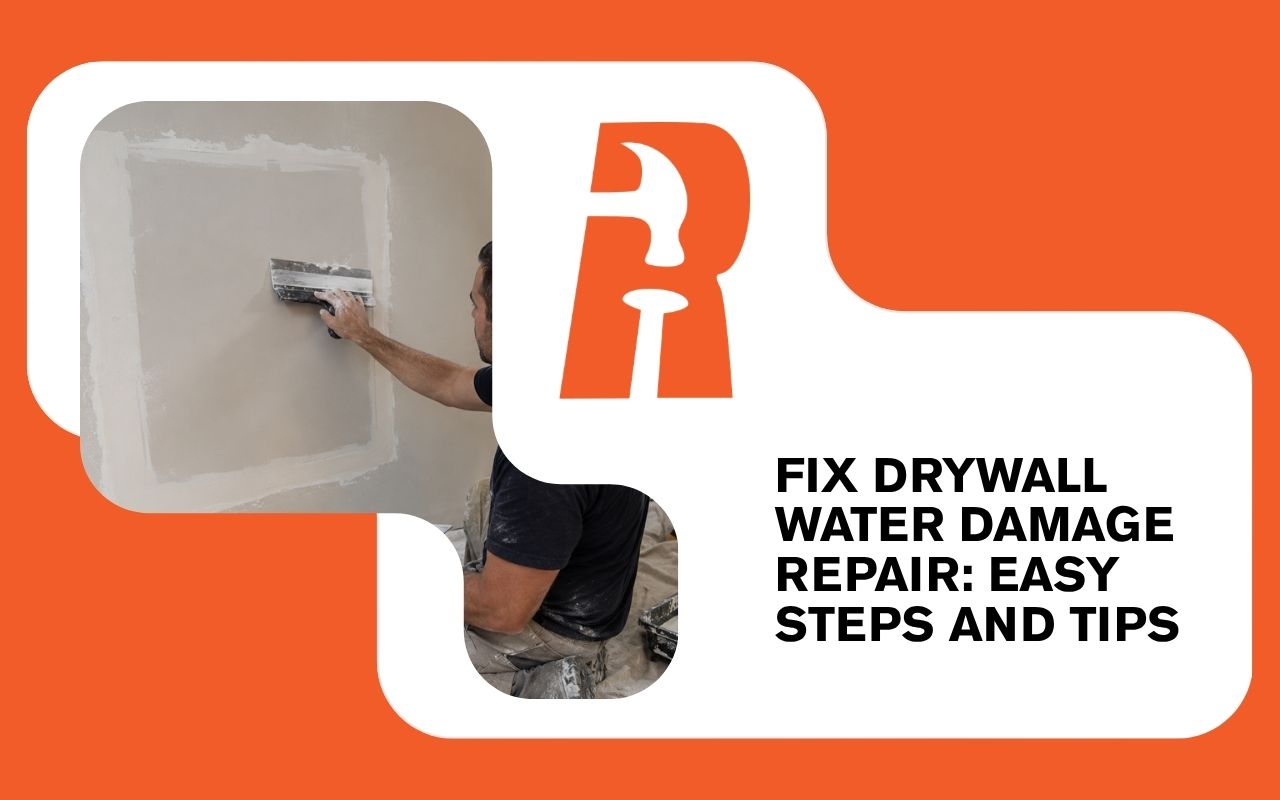
Fix Drywall Water Damage Repair: Easy Steps and Tips
Ceiling stains, soft wall spots, and peeling paint can make any home feel stressful. With the right steps, drywall water damage repair becomes easier to understand and manage. For larger repairs, our construction and repair services can support a cleaner, safer result.
At Master Builder Construction JMR, we look at the visible damage and the moisture source before repair work begins. This helps protect your wall, ceiling, paint, and finish from the same problem returning later.
Spotting Early Signs of Drywall Moisture Damage
Drywall moisture damage often starts small. A stain, bubble, or soft patch may point to a leak behind the surface. Checking these signs early can help you avoid a larger wall repair later.
Brown or yellow ceiling stains near corners or fixtures
Paint that bubbles, cracks, or peels away from the wall
Drywall that feels soft, swollen, or uneven to the touch
Musty smells near baseboards, cabinets, or ceilings
Trim or baseboards that begin to swell or separate
When Should You Start Wall Repair?
Wall repair should begin after the moisture source is found and stopped. Repairing too soon can trap dampness inside the wall. That can lead to stains, weak drywall, and repeated patching.
Use a moisture meter when possible, or watch for areas that stay damp after ventilation. If the damage reaches nearby rooms, ceilings, or trim, the repair area may be larger than it first appears.
Safe Steps Before Removing Damaged Drywall
Before cutting into drywall, clear furniture, cover floors, and protect nearby trim. Turn off power near wet ceiling areas, outlets, or light fixtures. Safety matters because hidden wires or damp materials may be behind the wall.
Our team at Master Builder Construction JMR takes careful steps before removing damaged sections. Clean preparation helps keep dust controlled and makes the next part of drywall water damage repair more accurate.
Homeowners looking for local project support can also review our work as a general contractor in Mammoth Lakes.
Drywall Patching That Blends With Your Wall
Drywall patching works best when the damaged section is cut into a clean square or rectangle. This makes it easier to fit a new piece tightly and secure it to studs or backing boards.
Cut away only the weak or waterlogged drywall
Let the open wall cavity dry fully before patching
Replace wet insulation if it cannot dry safely
Secure the new drywall patch with the right screws
Use tape and joint compound to cover every seam
Apply thin coats of joint compound and let each coat dry before sanding. A smooth surface gives primer and paint a better finish.
Texture Matching for Walls and Ceilings
Texture matching helps the repaired area blend with the rest of the surface. A smooth patch on a textured wall can stand out, even after painting. Testing the texture on scrap drywall first can prevent a visible mismatch.
With Master Builder Construction JMR, you get a repair approach that respects the full finish, not just the damaged area. Orange peel, knockdown, and other textures may need light layers to match well.
For nearby service information, visit our page for a general contractor in Bridgeport.
Moisture Prevention After the Repair
Moisture prevention is the best way to protect your drywall after repairs are finished. Once the wall is dry, patched, textured, primed, and painted, simple habits can reduce future damage.
Clean gutters so water moves away from the home
Seal gaps around windows, doors, and pipe openings
Use bathroom and kitchen fans during high-moisture tasks
Check sink cabinets and plumbing fixtures for slow leaks
Watch old ceiling stains for any change in color or size
These steps help reduce the chance of repeated drywall water damage repair. They also support a cleaner and healthier indoor space.
Frequently Asked Questions
Can I paint over ceiling stains after a leak?
You should not paint over ceiling stains until the source of moisture is fixed and the area is dry. A stain-blocking primer can help after repair. For help planning the next step, visit our contact page.
How do I know if drywall needs to be replaced?
Drywall may need replacement when it feels soft, swollen, crumbly, or stays damp. Small surface marks may need only sanding, primer, and paint, but deeper water damage often needs drywall patching.
Is texture matching hard for homeowners?
Texture matching can be tricky because the new surface must blend with the old pattern. Practice helps, but larger patches may need steady tools and careful timing. Our construction and repair services page explains how we support repair projects.
Can moisture come back after drywall repair?
Yes, moisture can return if the original leak or ventilation issue is not solved. Check plumbing, roofing, windows, and indoor humidity before closing the wall. This helps make drywall water damage repair last longer.
Do you handle repair projects near Mammoth Lakes?
Yes, when you choose Master Builder Construction JMR, we can discuss the project details and service needs with you. You can also review our Mammoth Lakes contractor page for local information.
Plan Your Drywall Repair With Confidence
Drywall water damage repair is easier when you move in the right order: find the moisture, remove weak material, dry the area, patch carefully, match texture, and finish with primer and paint.
When you choose Master Builder Construction JMR, we take the time to understand the damage before recommending the next step. To talk about your wall repair, ceiling stains, or moisture prevention needs, contact our team about your drywall repair.